

Clinical Massage for TMJ
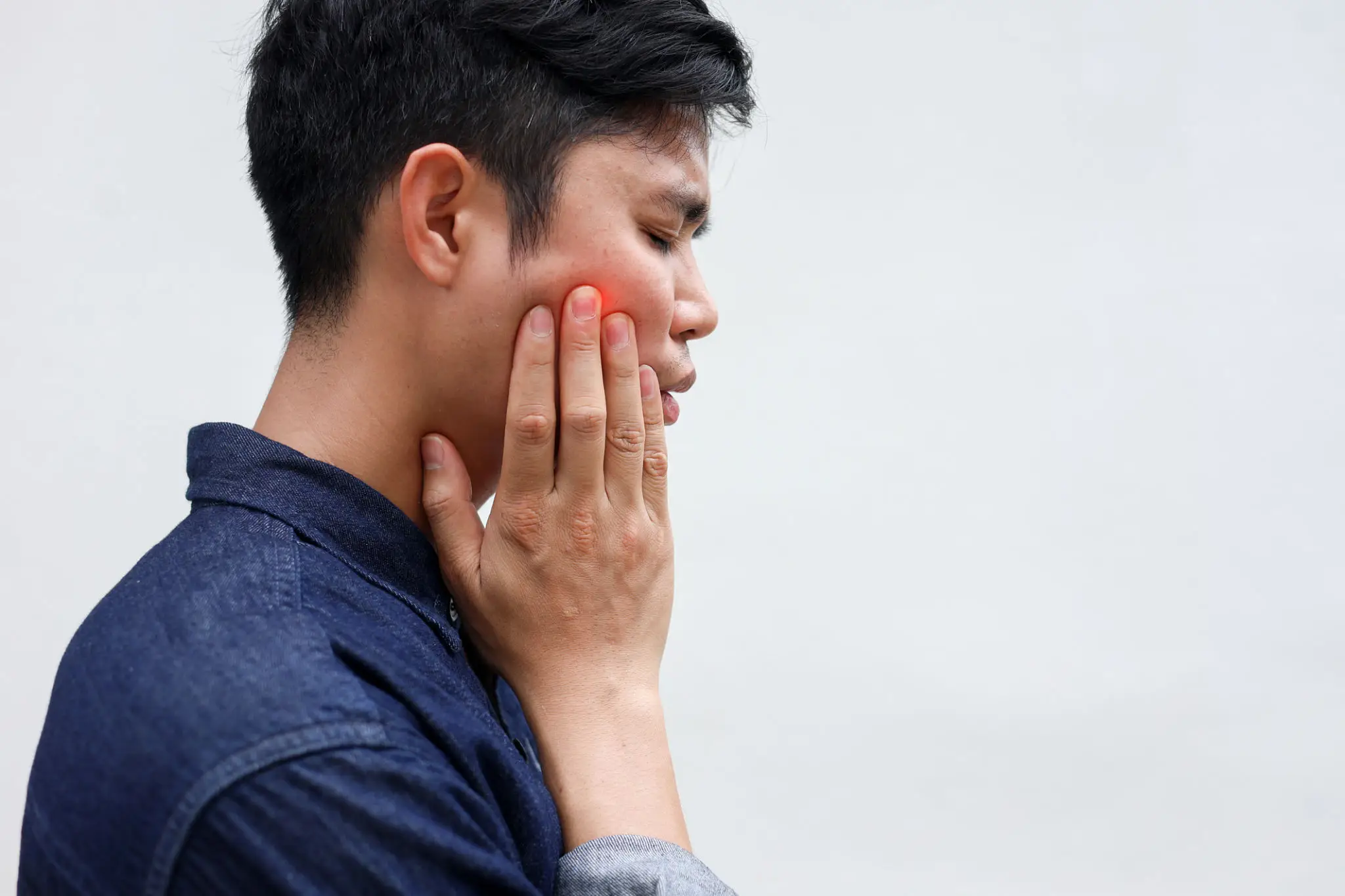
Temporomandibular disorders (TMD) involve the temporomandibular joint, the muscles responsible for chewing and jaw movement, and other related structures. TMD is considered a musculoskeletal disorder of the masticatory system, with research suggesting that signs or symptoms may affect more than one-quarter of the general population.¹
Symptoms can vary from person to person and may include jaw or facial pain, muscle tenderness or tightness, restricted jaw movement, discomfort with chewing, headaches, and clicking or other joint sounds. Tension may also extend beyond the jaw into the surrounding muscles of the head and neck.
TMJ symptoms may also develop or become aggravated following prolonged dental procedures that require the mouth to remain open for an extended period. Research suggests that sustained, wide mouth opening may place additional strain on the temporomandibular joint and the muscles involved in chewing, particularly in individuals who may already have underlying TMJ dysfunction.²
At Moontide Massage & Wellness, Clinical Massage for TMJ focuses on the muscular and soft-tissue components that may be contributing to jaw tension and discomfort. Treatment may include neuromuscular therapy, trigger point therapy, myofascial techniques, and focused soft-tissue work based on your individual presentation. Intraoral techniques may also be incorporated, with client consent, when indicated as part of treatment.
Clinical Massage for TMJ Services
Clinical Massage for TMJ – Focused Follow-Up
30 Minutes | $100
A focused follow-up treatment for established TMJ clients who have already completed an Initial Visit.
Clinical Massage for TMJ – Initial Visit
45 Minutes | $135
The recommended starting point for new TMJ clients. This appointment allows time for an initial assessment and focused treatment of the jaw and surrounding musculature.
Clinical Massage for TMJ – Extended Treatment
60 Minutes | $165
A more comprehensive treatment option when additional time is needed to address the jaw along with contributing muscular tension involving areas such as the neck and upper shoulders.
References
Gremillion HA. The prevalence and etiology of temporomandibular disorders and orofacial pain. Tex Dent J. 2000;117(7):30–39.
Sahebi S, Moazami F, Afsa M, Nabavi Zade MR. Effect of lengthy root canal therapy sessions on temporomandibular joint and masticatory muscles. J Dent Res Dent Clin Dent Prospects. 2010;4(3):95–97.